Your Panelists Keep Talking Over Each Other. Can AV Help?

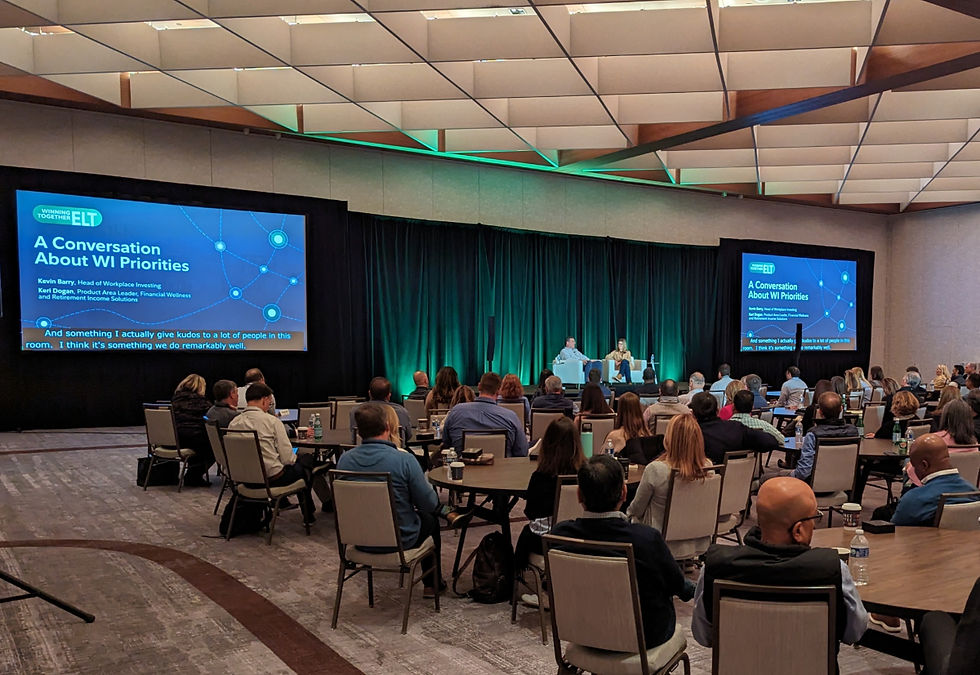
Panel discussions can be some of the most engaging sessions at a conference. Put several smart people onstage, give them an interesting topic, and let the conversation develop naturally. The only problem is that, sometimes, it gets a little too natural.
Maybe panelists interrupt each other, or two people start answering at the same time. Maybe the moderator struggles to regain control. The unfortunate result is that audience members miss parts of the conversation because voices overlap, and what should feel spontaneous and engaging starts to feel chaotic.
AV can't stop someone from interrupting another speaker, though we wish it could! But the right production approach can make a panel much easier to follow and give the moderator better tools to manage the conversation. Here's how.
Start with the right microphone setup.
Microphone selection matters more for panels than many planners realize. Passing one or two microphones between several panelists might save equipment, but it can slow down the conversation and create awkward pauses. On the other hand, giving every panelist their own microphone allows for a much more natural discussion.
Depending on the format, that might mean wireless handheld microphones, lavaliers, or microphones positioned at a table. Your AV team can recommend an option based on the number of speakers, stage layout, seating arrangement, and style of conversation.
A good audio engineer is actively mixing.
However, giving every panelist a microphone doesn't automatically mean that every microphone needs to be equally loud all the time.
During the discussion, an audio engineer can actively manage microphone levels based on who is speaking. When one panelist has the floor, that microphone can be prioritized while others remain at appropriate levels. Then, if another panelist joins the conversation, the engineer can respond accordingly.
This solution also does not completely eliminate people talking over each other, but it can keep overlapping voices from becoming an unintelligible wall of sound. It also helps reduce unwanted room noise and keeps the overall audio experience cleaner.
Give the moderator the tools to lead the panelists.
Technology works best when paired with it's paired with a strong moderator. Before the session, the moderator should understand the microphone setup and how the panel will operate. Will panelists have individual microphones? Will audience questions use roaming microphones? Is there a hard stop? How will the moderator know when time is running short?
A confidence monitor or countdown timer can help the moderator keep track of the session without repeatedly checking a phone or looking offstage.
The AV team and moderator can also review cues before the panel begins so everyone understands how the session will start, transition to Q&A, and end.
Think about the audience too.
Overlapping panelists are especially difficult for attendees seated farther from the stage. Even if they can technically hear the speakers, understanding several voices at once becomes challenging.
Proper speaker placement and audio coverage help deliver clear sound throughout the room. If the panel is being livestreamed or recorded, a professional audio mix becomes even more important. What sounds manageable in the room may become much harder to understand through a laptop speaker or in a recording.
Plan for enriching conversation, not just the right equipment.
The best panel AV setup starts with understanding how the session is supposed to feel.
Is it a formal moderated discussion? A fast-paced debate? A casual conversation among executives? Will there be audience participation?
Those details should shape the production plan.
At Moonrise AV, we want to know how the session will actually work, not just the amount of microphones needed. With the right microphones, active audio mixing, clear moderator tools, and a little preparation, AV can help turn an unpredictable panel conversation into one the entire audience can comfortably follow.


Comments